
Self vs. Non-Self
Friends or foes?
How can our bodies determine whether the unknown entities we encounter are friends or foes? The immune system is life’s security system. Without it, our genetic material could not have persisted on Earth in the form of living organisms.
Surviving to reproduce is a fundamental purpose of life. Because no organism exists in isolation, resources are limited, and the environment is often hostile, relationships among organisms, whether friends or foes, emerge to optimize the use of available resources, ultimately enabling life to persist and transcend across generations.
One key feature enabling the emergence of life was the separation of the outside from the inside through a physical barrier. In single-celled organisms – the earliest forms of life on Earth – the plasma membrane divides extracellular and intracellular compartments, establishing a distinction between self and non-self. As organisms evolved, they also had to determine how to respond to the non-self: through resistance or tolerance.
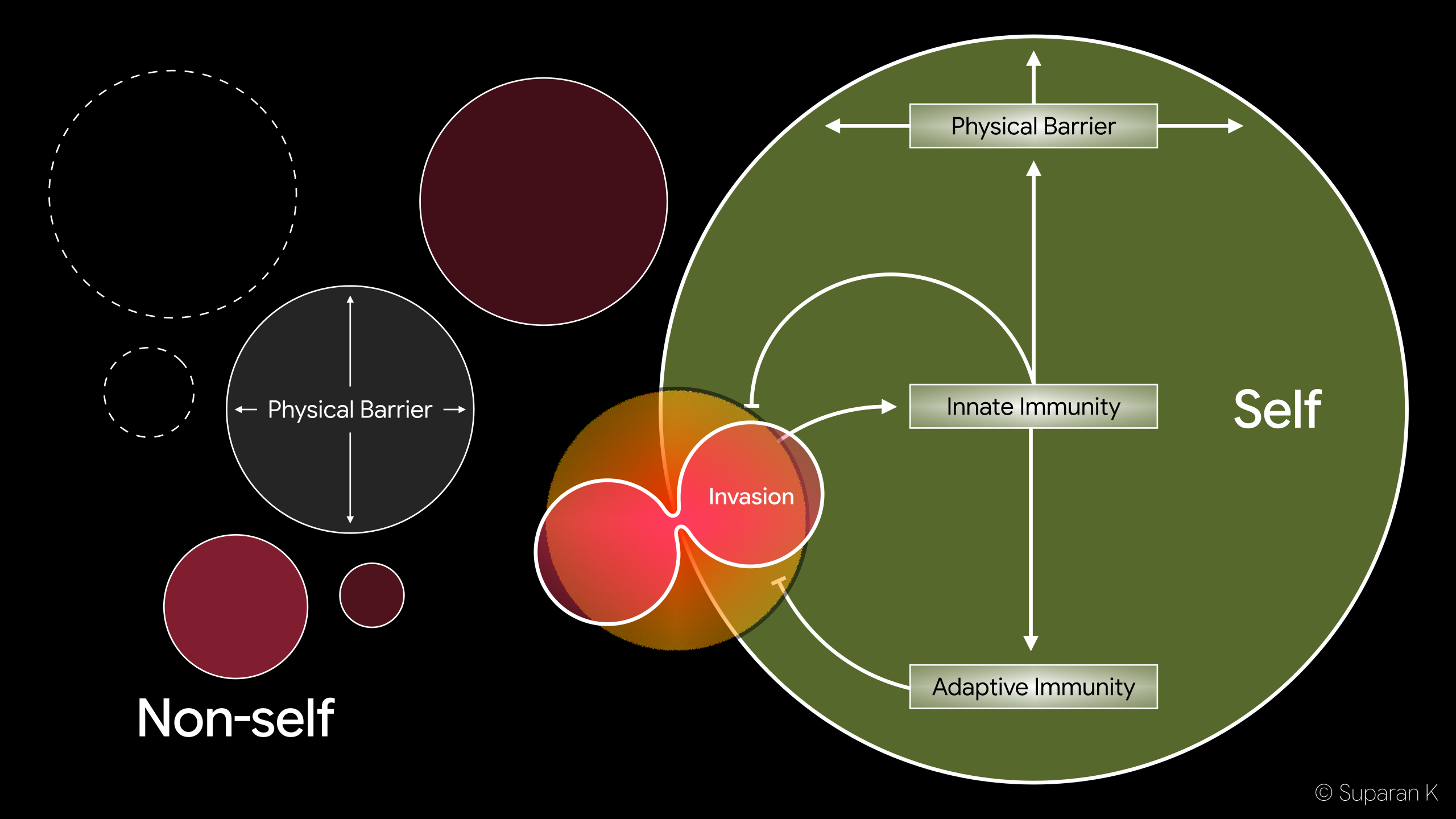
The concept of security begins here, in the immune system, which has two major components. The innate immune system provides a repertoire of accumulated defense strategies, such as physical barriers, against potential threats and relays information about suspicious non-self entities to the adaptive immune system. The more flexible and specialized adaptive immune system then tailors specific responses to each threat.
In contrast, disproportionate or inappropriate immune responses directed toward the self or against non-self entities can threaten an organism’s survival. When this security system is disrupted, the organism itself can collapse.